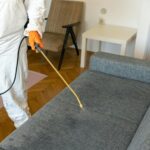
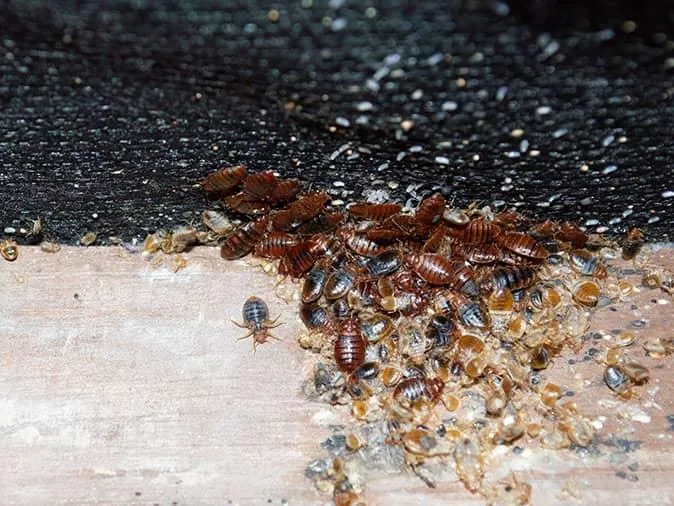
Bed bug treatments fail in some homes due to incomplete inspections missing hidden eggs and harborages, pesticide resistance, inadequate preparation like clutter removal, and lack of follow-up treatments for hatching cycles. Professional multi-step protocols addressing these factors succeed 90%+ of the time versus DIY failure rates exceeding 70%.
Incomplete Inspections Miss Hidden Infestations
Bed bugs hide in mattress seams, baseboards, wall voids, furniture joints, and electrical outlets beyond obvious sleeping areas. Homeowners overlook 50-70% of harborages; even pros fail without canine detection or thorough disassembly, allowing survivors to reinfest.
Pesticide Resistance and Improper Application
Modern bed bugs resist pyrethroids in 70%+ of populations; OTC sprays kill surface bugs but spare eggs and deep hiders. Under-dosing or wrong placement fails to penetrate cracks; repeated single-chemical use accelerates resistance.
Untreated Eggs Restart Infestations
Eggs hatch every 10-14 days in protective shells resisting most sprays; one-time treatments leave hundreds hatching post-treatment. Multi-week follow-ups essential—DIY skips this, causing 80% recurrence.
Poor Home Preparation and Clutter
Clutter, unsealed cracks, unlaundered items, and untreated adjacent rooms/apartments enable migration. Residents skipping vacuuming, 120°F+ laundry, encasements, or interceptors compromise efficacy by 60%.
Lack of Follow-Up and Professional Protocols
Single treatments ignore life cycles; heat must hit 120°F+ for 90 minutes everywhere—DIY rarely achieves. Professionals rotate chemicals, use residuals, and monitor 4-8 weeks; cutting corners doubles failure odds.
Conclusion
Bed bug treatments fail from missed hiding spots, resistance, egg oversight, preparation lapses, and no follow-ups. Success requires exhaustive inspection, integrated methods, and resident compliance over 4-12 weeks.
FAQs
Most common treatment failure reason?
Incomplete inspection missing 50-70% of hidden eggs/harborages in cracks and furniture.
Pyrethroid spray effectiveness today?
<30% due to widespread resistance; kills visible bugs but spares eggs/resistant strains.
Egg hatching timeline post-treatment?
10-14 days—requires follow-ups every 7-14 days for 4-6 weeks minimum.
Essential prep steps before pro treatment?
Vacuum/seal cracks, launder 120°F+, encase mattress/box spring, remove clutter, isolate infested items.
Heat treatment failure rate?
20-30% if <120°F sustained or monitoring missed; pros achieve 95%+ with fans/probes.
DIY vs professional success odds?
DIY <30%; pros 85-95% with IPM protocols including residuals, steam, and intercepts.
Adjacent apartment treatment necessary?
Yes—bed bugs migrate through walls/voids; 40% multi-unit failures from untreated neighbors.
Resistance testing for chemicals?
Labs confirm via WHO protocols; rotate neonicotinoids, IGRs, desiccants if pyrethroids fail.
Monitoring post-treatment duration?
8-12 weeks with traps/interceptors; zero catches after 4 weeks indicates success.
Clutter impact on treatment efficacy?
Blocks 60%+ chemical/heat penetration; mandatory removal doubles elimination rates.