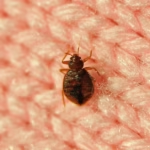
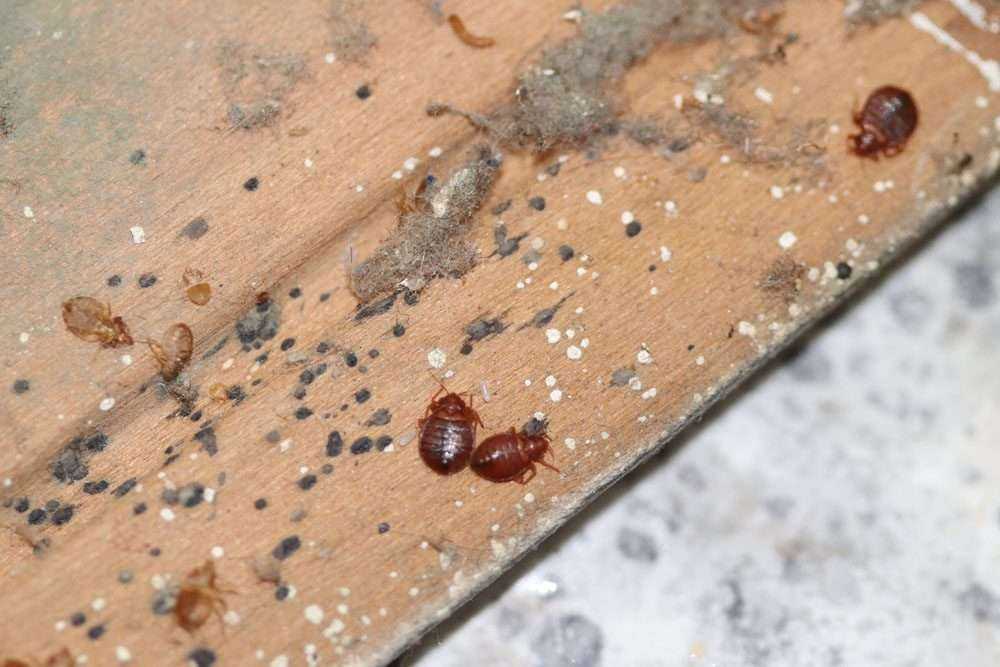
Bed bug treatments eliminate hidden infestations through heat reaching 150-170°F killing all life stages, targeted insecticides penetrating cracks, and integrated methods like encasements trapping survivors. Professional approaches combine steam, chemicals, and monitoring for 95%+ elimination rates over 2-4 weeks.
Heat Treatments Penetrate Deep Harbors
Whole-room heat treatments raise temperatures to 120-140°F for 80+ minutes, penetrating mattresses, walls, and furniture cracks where bed bugs hide. Steam at 150-170°F instantly kills eggs and adults on contact, reaching hidden clusters in baseboards and outlets.
Chemical Applications Target Resistant Colonies
Neonicotinoids like imidacloprin and chlorfenapyr outperform pyrethroids against resistant strains, applied via crack injections flushing bugs from voids. Multiple applications over weeks ensure hatching eggs meet lethal residues in harborage sites.
Integrated Pest Management Layers Defenses
Mattress encasements starve trapped bugs; interceptors under legs catch crawlers; diatomaceous earth dehydrates survivors in wall voids. Laundering at 120°F and freezing items kill hitchhikers, preventing re-infestation from hidden sources.
Fumigation Seals and Saturates Spaces
Tenting with gas penetrates upholstery and structural voids, killing 100% of eggs/adults in severe cases. Requires 24-72 hour evacuation but eliminates entire infestations missed by surface sprays.
Monitoring Ensures Complete Eradication
Canine detection and glue traps verify zero activity post-treatment; follow-up sprays target any missed micro-clusters. Success rates exceed 90% with 2-3 visits versus 30% for DIY foggers.
Conclusion
Bed bug treatments eliminate hidden infestations via heat/steam penetration, residual chemicals in cracks, encasements, and vigilant monitoring. Professional integrated methods outperform single tactics for total clearance.
FAQs
Heat treatment temperature threshold and duration?
120-140°F sustained 80+ minutes kills all stages; steam needs 150-170°F direct contact for instant lethality across eggs, nymphs, adults.
Most effective chemical for resistant bed bugs?
Imidacloprid or chlorfenapyr—applied via crack/crevice injections reaching 95%+ harborages missed by sprays; 2-3 applications spaced 10-14 days.
Mattress encasement role in hidden elimination?
Zip-sealed encasements trap existing bugs inside (starve in 1-2 weeks) while preventing reinfestation from mattress seams hiding thousands of eggs.
Diatomaceous earth effectiveness on hidden clusters?
Dehydrates via exoskeleton abrasion but requires prolonged contact; synthetic silica gel works faster in wall voids with minimal exposure.
Follow-up inspection timing after initial treatment?
7-10 days post-first application using traps/dogs; confirms hatching eggs killed by residuals before declaring eradication.
Freezing method for infested items?
-10°F for 4 days penetrates fabrics killing all stages; ideal for luggage/books avoiding chemical residues.
Professional vs DIY success rates?
Pros achieve 90-100% clearance in 2-4 visits; DIY foggers/bombs fail 70%+ due to missing eggs/hidden harbors.
Steam treatment coverage essentials?
Slow passes over seams, tufts, crevices 2-3 times; 130°F+ sustained kills on contact but requires preparation exposing all surfaces.
Integrated approach minimum components?
Heat/chemical + encasements + interceptors + laundering + vacuuming daily; single methods reinfest 50%+ within months.
Reinfestation prevention post-treatment duration?
6 months minimum monitoring with traps; inspect luggage/hotels; residuals maintain lethality 30-90 days in cracks.
Previous Article
Why Bed Bug Treatments Fail In Some HomesNext Article
Which Bed Bug Treatments Are Truly Long-Lasting